uneven-slab-floor

What are the Causes of Foundation Heave?

Foundation heave is an upward movement of the foundation due to soaked expansive soil.

The factors that lead to the saturation of soil beneath a foundation are seasonal changes in moisture, underground aquifer, or leakage in underground pipes. It is stated that financial losses due to heaving in the United States are larger than those caused by tornadoes, hurricanes, floods, and earthquakes combined.

The major cause of foundation heave in loose soil, like expansive soil, is the variation in soil moisture. Variations in soil moisture occur due to changes in the field environment due to natural as well as man-made conditions, and changes related to construction work.

Lighter buildings with thinner foundations are more likely to suffer from foundation heave than heavier structures with thick foundations. The International Association of Certified Home Inspectors states that soil can exert pressure of up to 260 KN/m2 against the concrete foundation.

What are the Causes of Foundation Heave?

Environmental Condition

Environmental condition is one of the reasons that leads to foundation heave of a structure. The following environmental changes are found to be contributing to the heaving of foundations:

  • Dramatic climatic changes, for instance, long droughts and heavy rains, cause cyclic moisture variations, resulting in an upward movement of the edge of a structure.
  • Variations in the level of the water table lead to changes in soil moisture, causing soil swelling.
  • Frost heave and chemical reactions like oxidations of iron pyrite make the soil underneath the foundation expand, creating pressure against the foundation.

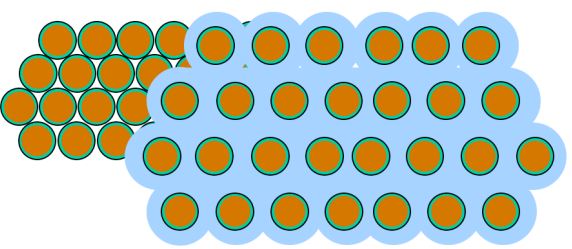
Figure-1 through Figure-3 illustrate how clay soil expands in the presence of moisture, leading to foundation heave.


Clay Particles Exhibit a Net Negative Charge and Pack Tightly when dry

Figure-1: Clay Particles Exhibit a Net Negative Charge and Pack Tightly when dry
When Water Becomes Available, It is Attracted by Clay’s Negative Charges, and Bonds Tightly to the Surface of the Clay

Figure-2: When Water Becomes Available, It is Attracted by Clay’s Negative Charges, and Bonds Tightly to the Surface of the Clay
Because Water is Incompressible, It Pushes the Clay Particles Apart, Causing an Expansion or Swelling of the Clay

Figure-3: Because Water is Incompressible, It Pushes the Clay Particles Apart, Causing an Expansion or Swelling of the Clay

The following changes in the construction process lead to increased moisture in soil:

  • Natural evaporation of moisture of the area covered by the structure is reduced, leading to increased soil moisture under the foundation.
  • Soil moisture of the area occupied by the structure is also increased due to a reduction in transpiration of moisture from vegetation, see Figure-4 through Figure-6.
  • Removing large trees from the construction site may increase soil moisture because the soil moisture was previously depleted by the trees’ root system. So, elimination of the source of moisture depletion leads to accumulation and raise of moisture in the same soil mass.
  • Insufficient drainage to keep surface water from the structure creates ponding and subsequent increase in moisture. For instance, damaged rain gutters and downspouts create ponds around the structure, and the water finds its way toward the soil under the foundation, which increases soil moisture. In this case, the clay soil will expand and may cause foundation heave.
  • Seepage into the soil beneath the foundation at soil-foundation interfaces and through excavations drilled for basements or shaft foundations results in increased soil moisture under the foundation.
  • When an aquifer is tapped, underground water moves upward and saturates the soil beneath the foundation, leading to soil expansion and the generation of pressure against the foundation.
  • Drying of exposed foundation soil in excavations and reducing soil surcharge weight increase the likelihood of foundation heaving.
Trees Before Construction Process Begin

Figure-4: Trees Before Construction Process Begin
Removing Tree from Construction Site Stopes Transpiration and Moisture Migration to the Root Zone Continue

Figure-5: Removing Tree from Construction Site Stopes Transpiration and Moisture Migration to the Root Zone Continue
Soil Rehydrates and Heaves

Figure-6: Soil Rehydrates and Heaves

Effects of Activities in the Building on the Soil Moisture 

  1. Drying of soil beneath heated areas of a foundation like furnace rooms causes soil shrinkage. As a result, foundation settlement occurs, which can be problematic for serviceability and, to a great extent, the structure’s safety.
  2. Leakage of underground water and sewer lines saturates clay soil around these utilities, leading to foundation heave.
  3. Planting and growing trees at distances less than 1 to 1.5 times the mature tree’s height from the structure exacerbate cyclic edge heave.
  4. The water from lawns can increase soil moisture.

FAQs

What is a foundation heave?

Foundation heave is an upward movement of the foundation due to soaked expansive soil. The factors that lead to soil saturation beneath the foundation are seasonal changes in moisture, underground aquifer, or leakage in underground pipes.

What is the major cause of foundation heave?

The major cause of foundation heave in susceptible soil, like expansive soil, and variation in soil moisture.

What type of soil is susceptible to heave?

Clay soil expands when it comes in contact with water and exerts pressure on the foundation and slab constructed on the ground.

Up to what limit can soil exert pressure against a concrete foundation?

The Association of Certified Home Inspectors states that soil can exert pressure up to 260 KN/m^2 against a concrete foundation.

What are the signs of foundation heave?

1. Cracks in foundations and walls
2. Uneven floors
3. Sticky doors and windows
Problem-Signs-FR

What are the Signs of Foundation Heave?

Foundation heave is the upward movement of the expansive soil layer after it is saturated with water. Controlling the signs and symptoms of foundation heave at an early stage is important to prevent further enlargement of heave pressure and avoid serious damage to the foundation and superstructure.

Common signs of foundation heave are cracked and bowed slabs, cracks in drywall, brickwork, doorframes, lifted sidewalks, tilted slab sections, etc. These signs are considerably concerning and create an unpleasant appearance. Additionally, they may interfere with the functionality of the building and disrupt the quality of life.

What are the Signs of Foundation Heave?

Some of the signs observed before a foundation heave are:

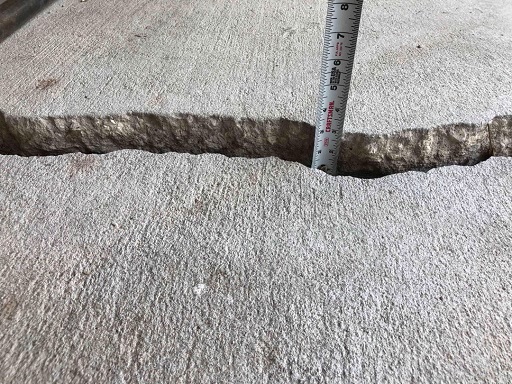
  • Cracks looking like spider webs or chicken feet with at least two intersecting cracks. Cracks intersect and create a triangle shape at a location where heave is the greatest.
Cracks in Slab due to Foundation Heave

Figure-1: Cracks in Slab due to Foundation Heave
  • Concrete damage due to foundation heave during or immediately after construction, which accelerates few years after completion.
  • Trees around the structure fall or die a year or two after the first distress is noticed.
  • Flatwork like driveway, patios, and garage slabs adjacent to the foundation translates upward and away relative to the foundation.
  • Water Leakage is observed from under slab plumbing, pools or ponds nearby the building.
  • Increase in the moisture content of the upper soil layer underneath the foundation. The soil plasticity index is greater than 25.
  • The soil beneath the perimeter beam is easy to probe.
  • In-ground pool near the structure is out of level.
  • Drainage of the site on which the structure has been constructed is sloping toward the foundation.
  • Excavation around the foundation reveals wet, muddy soil in the upper few meters below the perimeter grade beam.
  • The gaps between grade beams, piers, or foundation repair shims are loose.
  • There is no space between the perimeter grade beam and the adjacent soil at grade.
  • Large amount of damage to the foundation and superstructure for a relatively small amount of level distortion in the foundation.
  • Damage in the ground-level flooring materials.
  • Slabs are bowed between grade beams, and the grade beams are connected to piers constructed well below the active zone.
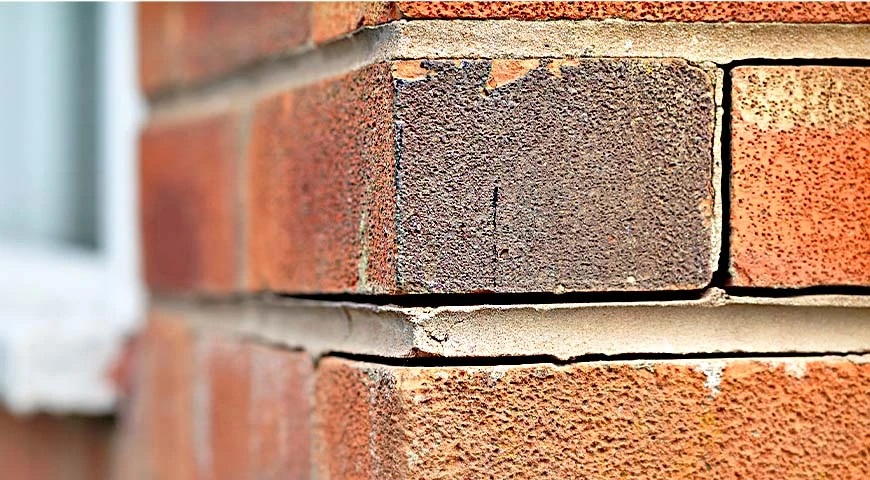
  • Development of cracks in drywalls, brickworks often in a zigzag form, at the top of the doorframes, and top and bottom of window frames. These cracks will grow thicker and longer over time.
Drywall Cracks due to Heave are Very Evident and Considerably Thicker Than Simple Hairline Fractures

Figure-2: Drywall Cracks due to Heave are Very Evident and Considerably Thicker Than Simple Hairline Fractures
  • Frames of windows and doors become out of square due to constant upward pressure on the foundation, which is transferred to a framework, making doors and windows sticky.
Off-Center Frames is a Sign of Foundation Heave

Figure-3: Off-Center Frames is a Sign of Foundation Heave
  • Lifted patios, garden sheds, and sidewalks.
  • Tilted slab sections.

FAQs

What are the signs of foundation heave?

1. Cracks in slabs
2. Sticky doors and windows
3. Bowing of slab
4. Lifted sidewalks and other flat work
5. Cracks on the interior face of walls

Do cracks develop on the exterior face of walls due to foundation heave?

Cracks on the exterior face of walls due to foundation heave are uncommon.

Do cracks due to foundation heave grow over time?

Cracks in drywall and brickwork, often in a zigzag form, at the top of the doorframe, and top and bottom of window frames. These cracks will grow thicker and longer over time.

How can soil moisture be used as a sign for foundation heave?

The increase in moisture of a soil layer below the foundation in recent years is a common sign of foundation heave.

Is it possible to live in a house with a foundation heave?

Yes, it is possible, and some occupants may not notice it immediately. However, the signs of foundation heave can disrupt the quality of life and even interfere with the functionality of the building.